
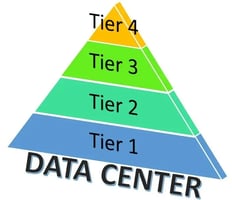

Why Data Center Tiers Matter When you colocate your servers or lease space, uptime is everything....
How to Choose the Right Colocation Data Center Provider
Why Picking the Right Provider Matters
Choosing a colocation provider isn’t just about finding the cheapest rack space. You’re trusting them to keep your servers safe, secure, and online every hour of every day. A poor choice can mean surprise costs, downtime, or compliance headaches.
Here’s what smart IT leaders look for before they sign a colocation agreement.
1. Location, Location, Location
Where your data center sits affects latency, risk, and cost. Ask:
-
Is it close to your users or offices?
-
How reliable is the local power grid?
-
Is the area prone to floods, earthquakes, or severe weather?
-
Are there multiple network carriers in the building?
If you have remote staff or multiple sites, look at options for multi-site colocation or edge locations too.
2. Uptime Track Record and Tier Certification
Don’t just take a provider’s word for their uptime promise. Ask for:
-
Their last 3–5 years of real uptime performance.
-
Uptime Institute certification (Tier II, III, or IV).
-
How they handle scheduled maintenance — can they maintain power and cooling while doing repairs?
More redundancy usually means higher cost. Make sure you’re not overpaying for a Tier IV facility if your workload can tolerate short maintenance windows.
3. Network and Carrier Diversity
Check how many carriers are available in the building. More carriers mean better prices, more routes, and faster failover if one connection goes down.
Also ask:
-
Can you get blended bandwidth?
-
Is there direct cloud connectivity (AWS Direct Connect, Azure ExpressRoute, etc.)?
-
Are cross-connects affordable?
At Colocapacity, we help clients set up reliable, low-latency connections tailored to their needs.
4. Physical and Logical Security
Your equipment is only as safe as the building it’s in. Look for:
-
24/7 on-site security staff
-
Multi-factor access controls (biometrics, key cards, mantraps)
-
Video surveillance and logs
-
Private cages or suites if you need extra isolation
If you have to follow HIPAA, PCI-DSS, or other frameworks, make sure the provider can prove compliance with real audit reports.
5. Support and Remote Hands
Even if you rarely visit your servers, you need a partner you can trust when something breaks.
Ask:
-
Are remote hands included? What do they cover?
-
How fast is the response time, day or night?
-
Is there 24/7 on-site staff, or just “on-call”?
Check real customer reviews for responsiveness. A beautiful facility isn’t helpful if you wait hours for a simple reboot.
6. Scalability and Contract Flexibility
Colocation is a long-term investment. Make sure you won’t outgrow your provider in a year.
Questions to ask:
-
How easy is it to add racks or cages later?
-
Can you upgrade power and cooling as you grow?
-
Are there short-term options if your needs change?
At Colocapacity, we build colocation plans that scale with you — so you won’t need to move your hardware every time you grow.
Final Takeaway
Colocation isn’t just about space and power. It’s about trust, uptime, and knowing your workloads are in good hands. A little research now saves you headaches later.
If you’re comparing colocation providers, visit Colocapacity.com. We’ll help you find the right mix of location, uptime, security, and cost — so you can focus on what matters most.